A furnished let ends differently from an unfurnished one, and RG12 has a high proportion of furnished tenancies attached to nearby employment. When the furniture stays behind, the inventory is not a short list of fixtures — it is a document itemising sofas, dining chairs, bed frames, mattresses, crockery and lamps, each with a recorded condition. The clean has to address every one of those items, and the ones inside cupboards are the ones that generate claims.
Contents are inspected individually
A check-out clerk working from a furnished inventory opens drawers, lifts sofa cushions, counts glassware and looks at the underside of dining chairs. Crockery left dusty in a cupboard, a cutlery tray with crumbs in the compartments and a kettle with scale inside it are all recorded, because they were recorded as clean at the start. Cupboard interiors are therefore not optional extras on this kind of property; they are the substance of the job.
Upholstery and mattresses
Fabric furniture that has been used daily for a year holds body oils, food debris and dust in equal measure, and vacuuming alone removes only the loose fraction. Upholstery is tested for colourfastness in a hidden place before any wet method is used, then cleaned with low moisture so the foam beneath does not become saturated. Mattresses are vacuumed both sides and treated for staining rather than soaked, since a wet mattress in a closed room is a mould problem waiting to happen.
Post-war new town construction
Much of the town was built quickly in the second half of the last century, with open-plan ground floors, large windows, flat-roofed extensions and, in the older flats, electric storage heaters. Storage heaters accumulate dust that bakes onto the elements and smells when the heating comes back on in autumn, so the casing and the grille matter. Open-plan layouts spread cooking grease into the living space, meaning the wall above a sofa can carry a film that would never appear in a house with a separate kitchen.
Short corporate tenancies, frequent changeovers
Where a property turns over every six months, cumulative wear on the same items is the issue rather than any single tenancy. Landlords running properties on that cycle usually want a consistent, repeatable standard and a written record each time, which makes the fixed specification more useful than a description of hours worked.
Curtains, blinds and the things nobody washes
Lined curtains in a furnished let are rarely cleaned between tenancies and hold both dust and odour. Headings and the top edge of a pelmet collect a visible line; vertical blinds gather grease in the kitchen and dust everywhere else. Slats are cleaned individually with the blind closed, then turned and repeated, because a single wipe across a stack of louvres moves the dirt rather than removing it.
Where the specialist stages sit
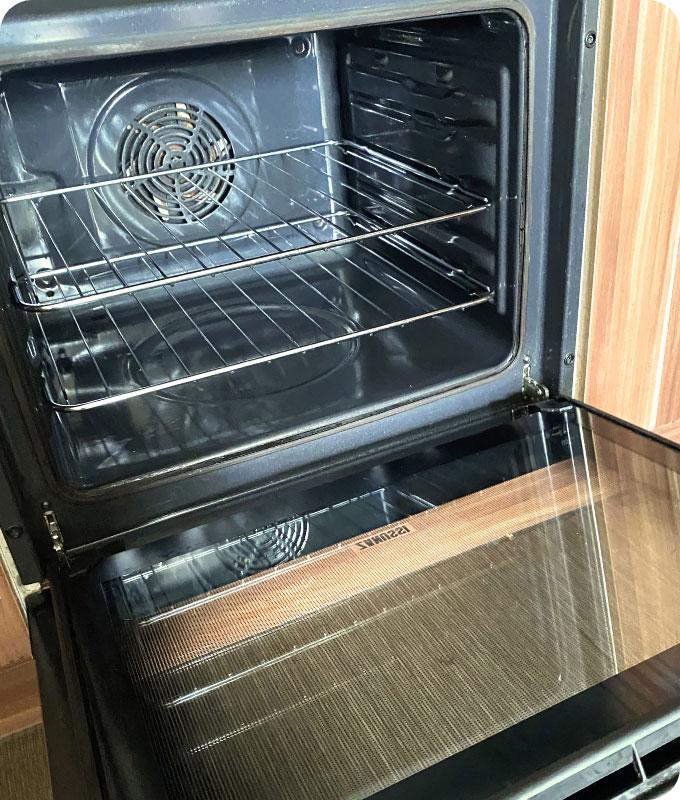
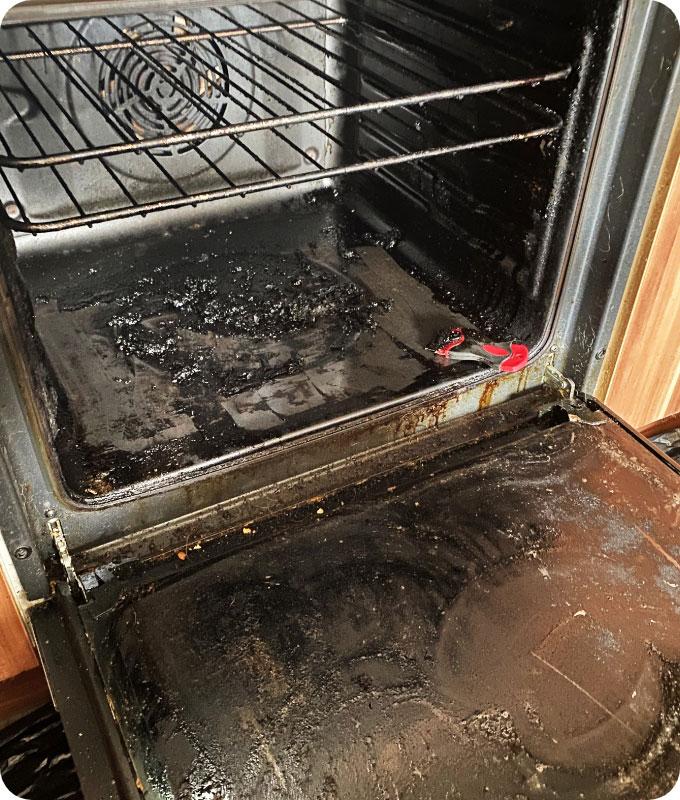
Carpet and upholstery extraction is its own operation with its own drying requirement, which is how the carpet cleaning team in Bracknell is organised, and it is run before the general clean rather than after. Appliance work with a soaking stage is normally a separate visit along the lines of our nearby specialists, so the oven parts are out of the way while the kitchen units are being done.
Booking a furnished changeover
The task list is the national one on deposit-back cleaning, extended by the contents schedule for a furnished property, and the same list underpins a local pro near you in the neighbouring towns. Costing is based on property size, furnishing level and the number of bathrooms rather than an hourly rate. Personal belongings should be gone even though the furniture stays, and the inventory should be available on the day so anything listed can be checked off as it is cleaned. Ongoing upkeep between lets is a different arrangement, closer to a local pro near you.